She-Spies Deserved More Love: The Fun, Flashy Spy Show That Made Saving the World a Blast
Some TV shows walk into the room wearing sunglasses, leather jackets, and an attitude. She-Spies kicked the door open, winked at the camera, and asked if anyone had ordered chaos.
The series debuted in 2002, following three former convicts who are pulled out of prison and recruited by a secret government agency to fight crime. The setup sounds like Charlie’s Angels crashed into a spy parody, and honestly, that is exactly where the fun begins. Instead of trying to be the next gritty espionage drama, She-Spies leaned into the absurd. It knew the premise was wild. It knew the dialogue was snarky. It knew its heroes looked like they had stepped out of a fashion shoot and into a covert operation. And somehow, that made it work.
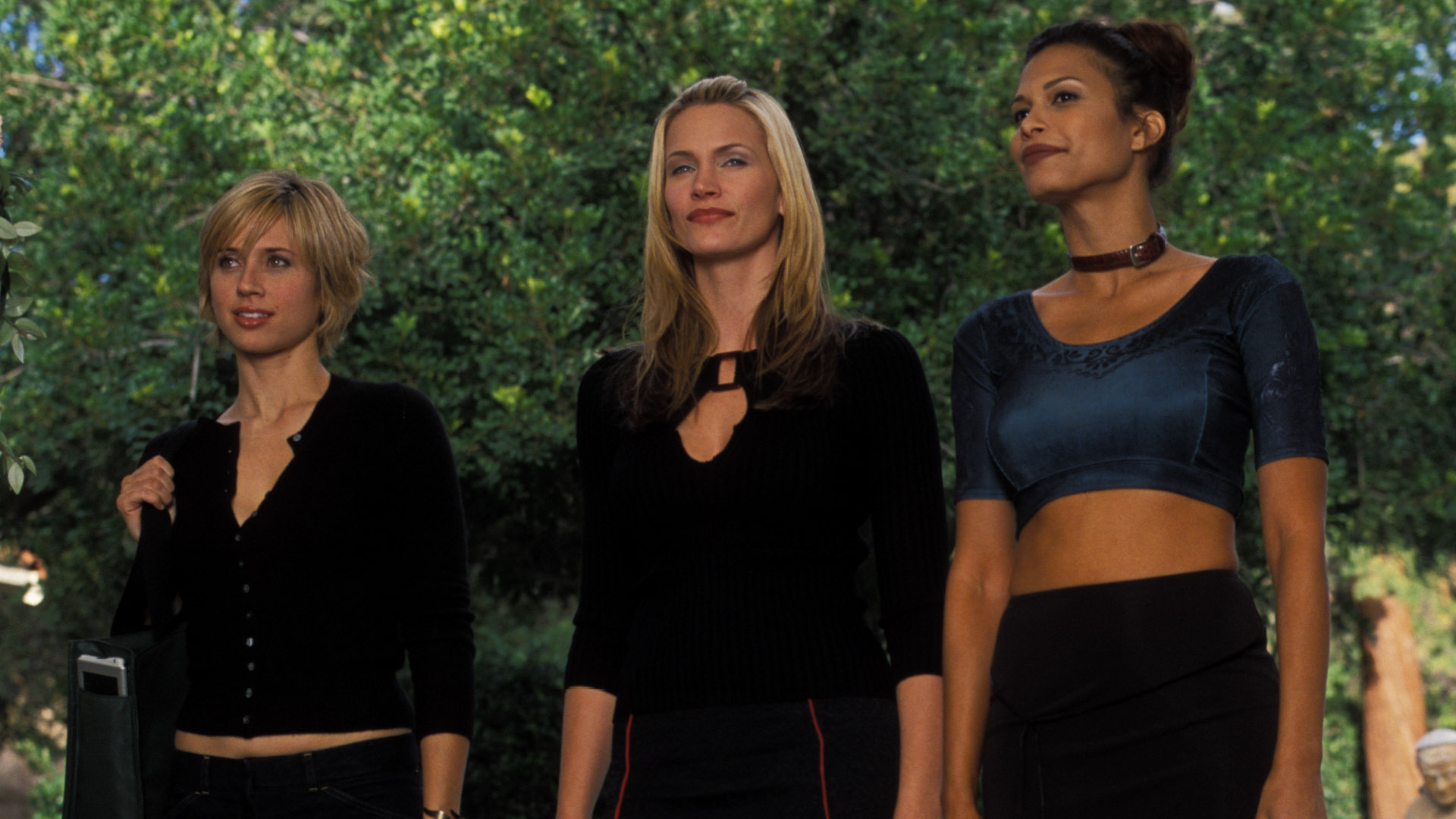
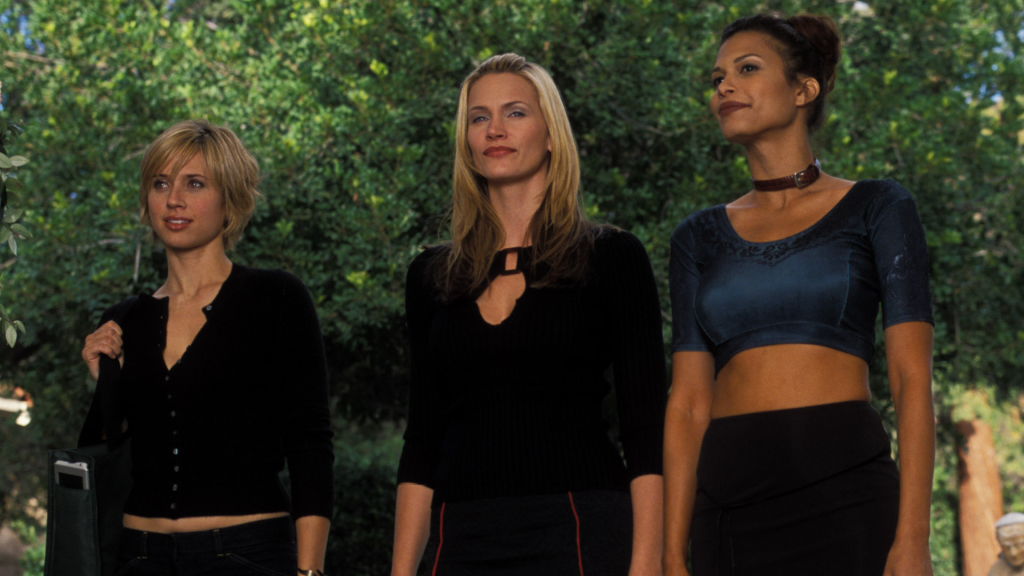
The team was led by Cassie McBain, played by Natasha Henstridge, alongside D.D. Cummings, played by Kristen Miller, and Shane Phillips, played by Natashia Williams. They were not polished government agents with perfect discipline. They were smart-mouthed, rule-breaking women who had already lived on the wrong side of the law, which made them perfect for missions where bending the rules was basically part of the job. The show ran for two seasons from 2002 to 2004, with its first few episodes airing on NBC before continuing in first-run syndication.
What made She-Spies different was not just the action. It was the tone. This was a show that treated spy missions like an excuse to have fun. The characters fired off jokes, went undercover in ridiculous situations, and regularly poked fun at the very genre they were part of. One writer from the series later described it as a “gorgeous-girl-spies show” filled with rapid-fire banter, dream sequences, dancing, and oddball action beats, which is a pretty perfect summary of the show’s personality.
For people who never saw it, imagine early-2000s cable energy mixed with Saturday afternoon action, a little Austin Powers, a little VIP, and a whole lot of “we know this is silly, just roll with it.” Rotten Tomatoes’ synopsis even framed it as Alias meets Austin Powers by way of VIP, which tells you everything about the lane this show was driving in.
One thing casual viewers may not know is that She-Spies was not built like a normal prime-time network drama. It was sold into syndication, which meant it lived in that weird, wonderful TV world where action shows could be louder, stranger, and more experimental than the network giants. That helped give it a cult-TV flavor. It was glossy, goofy, and sometimes completely over the top, but it also had a confidence that made it memorable.
The missions ranged from protecting celebrities to investigating assassinations, fashion-world crimes, undercover schemes, and international trouble. The cases mattered just enough to move the story, but the real reason to watch was the chemistry between the women. Cassie, D.D., and Shane felt less like government employees and more like three troublemakers who had been handed badges, gadgets, and a second chance.
And that is the real charm of She-Spies. It is not trying to be prestige television. It is trying to be fun television. The kind of show you stumble across late at night, watch for five minutes, and suddenly realize you have stayed for the whole episode.
In an era where so many shows want to be dark, serious, and emotionally exhausting, She-Spies feels like a reminder of a different kind of TV. It was bright, sarcastic, ridiculous, and proud of it. If you missed it the first time around, it is worth checking out now—not because it changed television forever, but because it understood one simple mission:
Sometimes saving the world should be a blast.